
Blood and biochemistry
Five-part blood count, dry chemistry, glucose, lipids, kidney and liver function, anaemia and inflammation.
9 tests→On-site laboratory facilities in Donostia, Vitoria-Gasteiz and Bilbao for many routine tests, with rapid results after quality control, review and validation.
Many routine tests are processed at the centre itself; genetic and specialised tests are coordinated with partner laboratories.
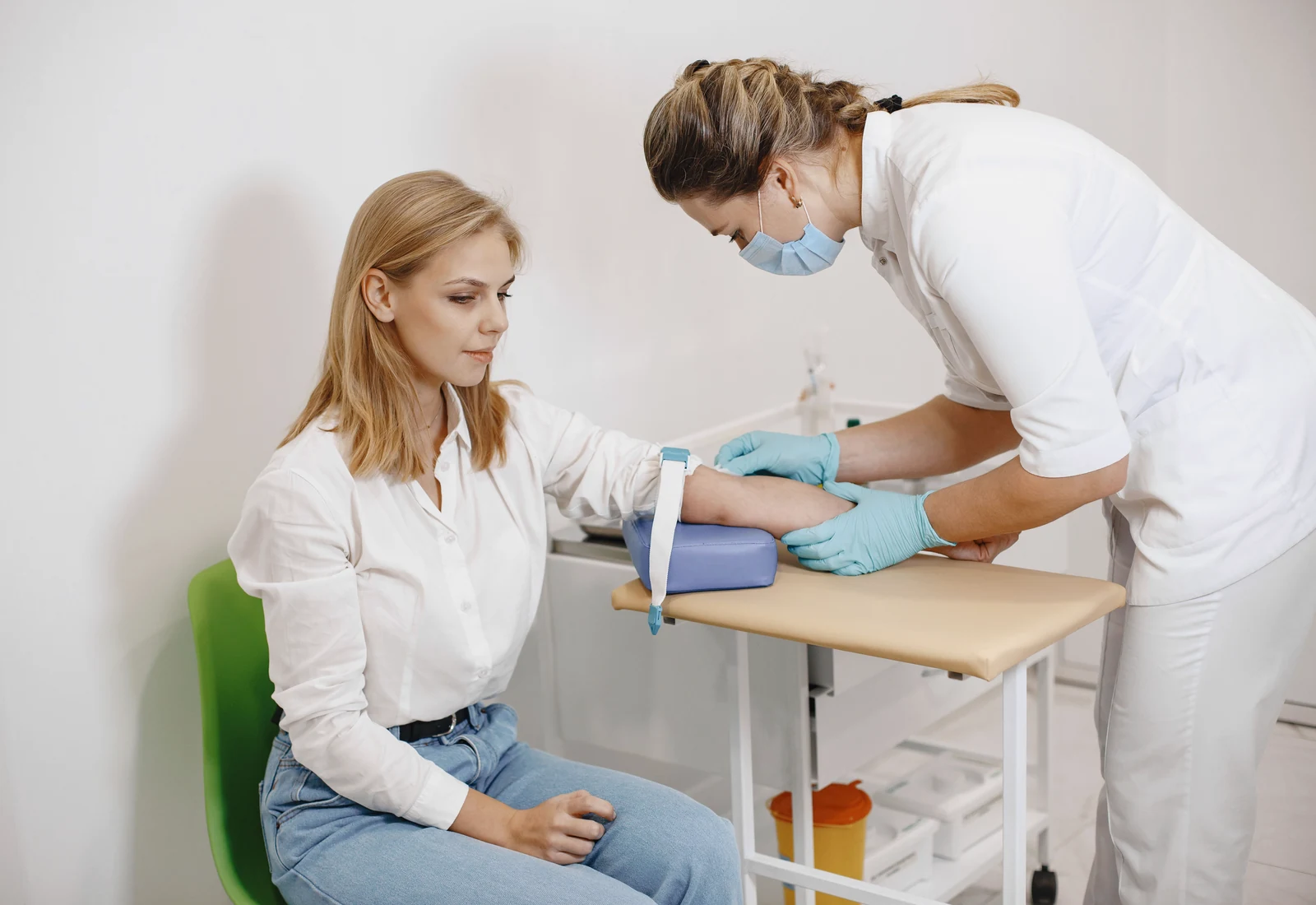
Each test has its own page explaining why it is requested, how the sample is collected, what preparation is needed, how it is processed, the results it may provide and its main limitations.
Five-part blood count, dry chemistry, glucose, lipids, kidney and liver function, anaemia and inflammation.
9 tests→Thyroid, female and male reproductive hormones, prolactin and β-hCG by immunoassay when available.
4 tests→HPV, chlamydia, gonorrhoea, HIV, SARS-CoV-2 and serology, with specimen selection based on exposure and method.
5 tests→Urinalysis, urine culture, gynaecological cultures, cytology and biopsies with sample traceability.
5 tests→Non-invasive prenatal screening, hereditary cancer, family studies and kinship through partner laboratories.
3 tests→Urine drug testing with chain of custody, pre-operative panels, tumour markers and specialised tests.
4 tests→You do not need to know the technical name of a test. Start with your situation and we will take you to the right information.
Information on STI testing and when it may be useful to seek advice.
→HIV, chlamydia, gonorrhoea, HPV and serology, with the right specimen for the situation.
→See β-hCG testing and how it is interpreted in the context of pregnancy.
→Information on HPV PCR/NAAT and how it relates to cytology and follow-up.
→Full blood count, biochemistry, glucose, lipids, kidney and liver function.
→What they may include and why the panel depends on the procedure and clinical indication.
→Urine screening, confirmation and chain of custody when required.
→Thyroid, reproductive hormones and related tests according to the clinical context.
→Technology, preparation, quality, centres and how you receive your results, explained clearly and directly.
Reports are normally sent by email after review and validation.
How results are delivered → How it worksFrom preparation and specimen collection to the final report.
Open page → QualityControl, traceability, review and responsible interpretation.
Open page → CentresAddresses, telephone numbers and contact details for Donostia, Gasteiz and Bilbo.
Open page →