
Dry chemistry
Metabolic panels, glucose, lipids, kidney and liver function with dry reagents, within the validated menu.
Learn about dry chemistry, five-part differential haematology, ichroma™ II, PCR/NAAT, pathology and Askabide’s partner laboratory network.
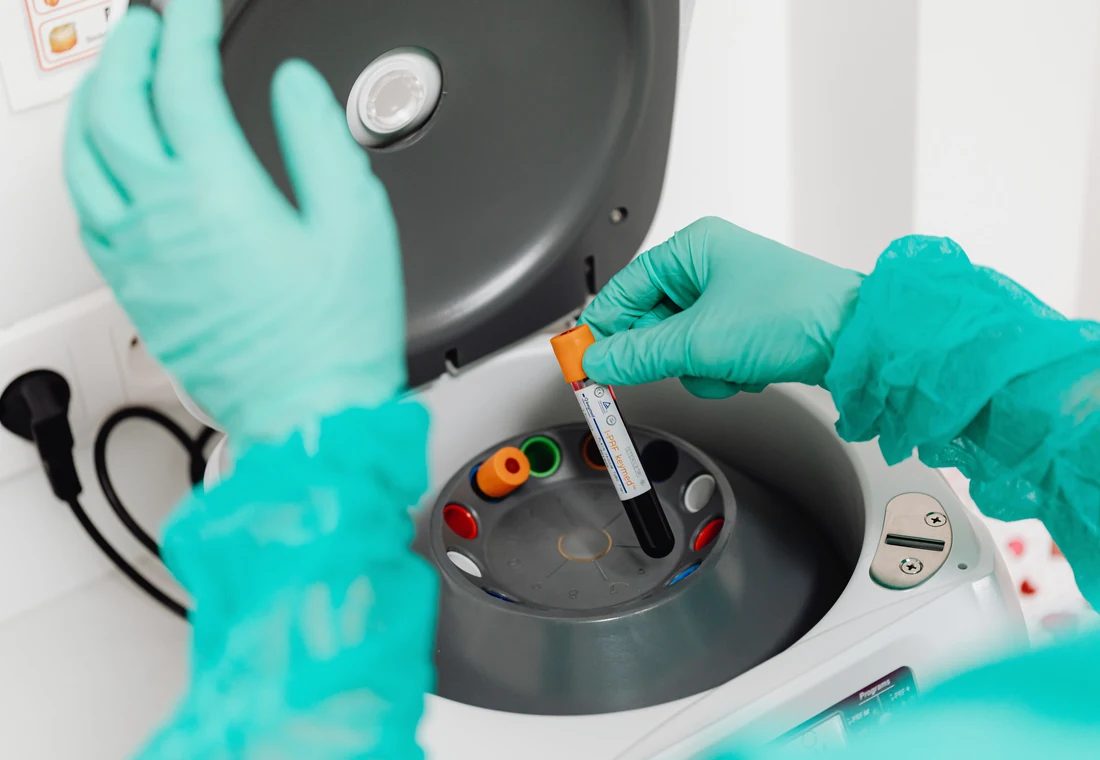
Turnaround depends on the test, sample quality, analytical batch, quality controls and validation. Not every result can be issued immediately.
Metabolic panels, glucose, lipids, kidney and liver function with dry reagents, within the validated menu.
Red cells, white cells and platelets with neutrophil, lymphocyte, monocyte, eosinophil and basophil differential.
Fluorescence immunoassay for selected hormones and biomarkers when the cartridge is active, controlled and validated.
Molecular detection of HPV, chlamydia, gonorrhoea, HIV or SARS-CoV-2 according to available kit, specimen and protocol.
Receipt, identification and traceability of cytology and biopsy specimens, with processing and reporting under the authorised pathway.
Genetics, confirmations and highly specialised tests are referred when external technology is required.
Many routine tests may be available the same day when processed on site, quality controls are acceptable and no repeat is required. Cultures, cytology, biopsies, genetics and confirmations take longer.
Search by test name or clinical area and open an independent page with preparation, specimen, method, results and indicative reference intervals.
View all tests → How it worksFrom preparation and specimen collection to the final report.
Open page → QualityControl, traceability, review and responsible interpretation.
Open page → CentresAddresses, telephone numbers and contact details for Donostia, Gasteiz and Bilbo.
Open page →